


 Veterinary care
 Ways to get care
 Visit information
 Pet wellness plans
 Virtual petcare
 Pet Chat™ information
 Locations
 MyBanfield
 Shop packages now
 Request information
 Package FAQs
 NEW! Banfield Access Plan
 Pet health articles
 Puppy care
 Kitten care
 Senior care
 Dental care
 Diet and nutrition
 Ear care
 Parasites
 Fleas
Fleas Ticks
Ticks Mites and mange
 Worms
Worms Skin and coat care
 Mobility
 First aid
 Vaccinations
 End of life care
 Bblog
Bblog Podcast - Not Just Fluff
 Video Vault
 About us
 Contact us
 Our leadership
 Shop
Shop
 Locations/appointments



here's what to know about GI distress in pets
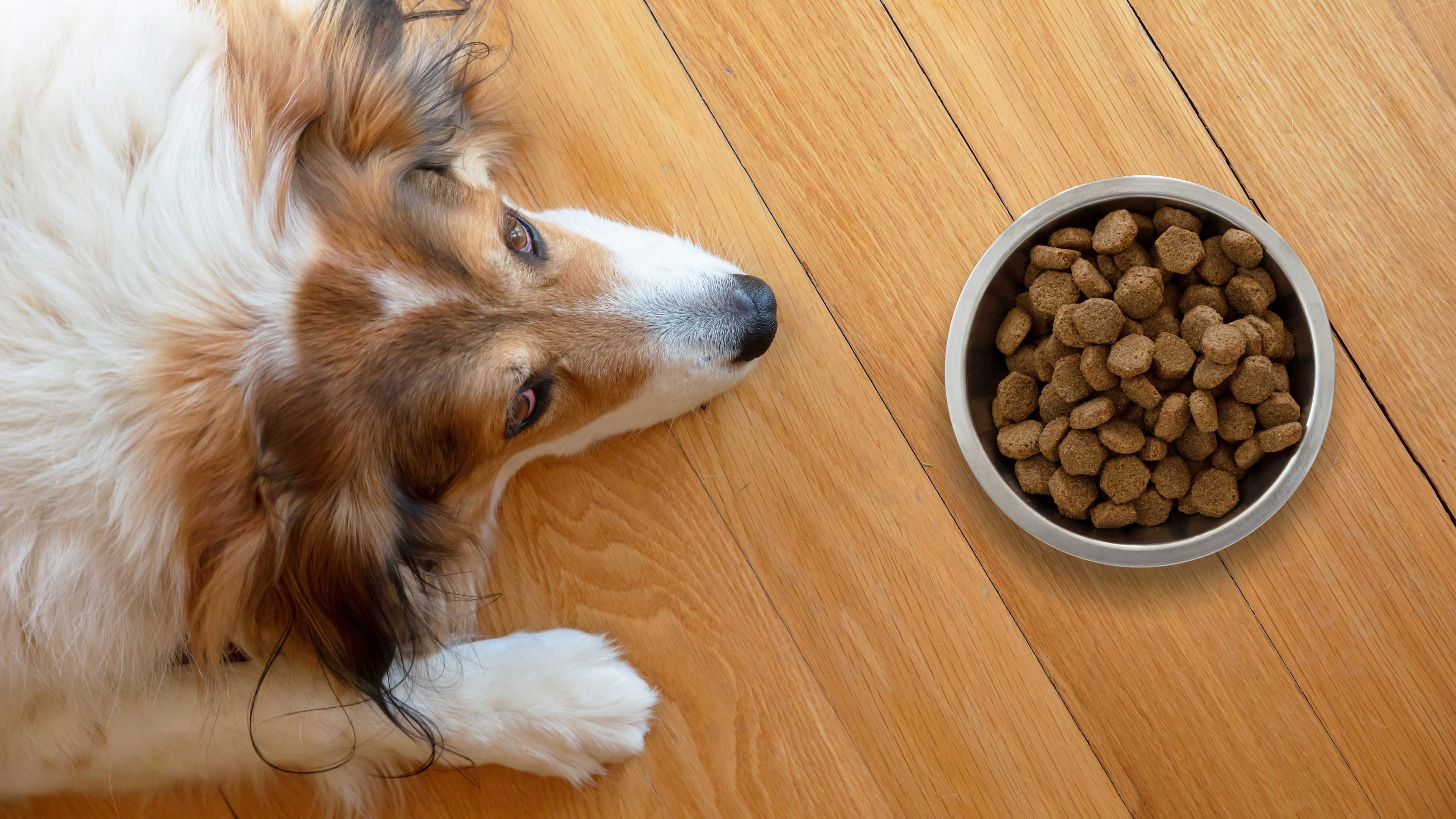
Stomach issues are one of the most common reasons dogs and cats visit the veterinarian. From occasional vomiting to diarrhea, loss of appetite, or abdominal bloating, digestive problems can range from mild and short-lived to serious medical emergencies.
Knowing what causes gastrointestinal (GI) distress in pets, how to spot the signs, and when to seek veterinary care can help your furry friend get back to feeling their best.
What causes stomach issues in dogs and cats?
Many factors can upset your pet's digestive system. Some of the most common causes include:
- Eating table scraps, treats, or unfamiliar foods
- Sudden diet changes
- Food intolerances or allergies
- Intestinal parasites
- Bacterial or viral infections
- Eating garbage or foreign objects
- Stress or anxiety
- Certain medications
- Underlying health conditions
Dogs are especially prone to eating things they shouldn’t, while cats may develop stomach issues due to food sensitivities, hairballs, or chronic digestive conditions.
How do you know if your dog or cat has a stomach problem?
Vomiting, diarrhea, and a decreased appetite are some of the most common signs of GI distress. But other symptoms can also signal that your pet isn't feeling well.
Common symptoms include:
- Weight loss
- Lethargy
- Gas
- Bad breath
- Enlarged or bloated abdomen
- Eating grass or stool
- Dull coat
- Worms visible in stool
- Bloody stool
If symptoms are severe, don't improve, or are accompanied by weakness or dehydration, contact your veterinarian right away.
What causes bloat in dogs?
Abdominal bloating can occur for several reasons, including:
- Eating too quickly
- Eating one large meal per day
- Food sensitivities
- Obesity
- Stress or anxiety
- Genetic predisposition
Signs of serious bloat include a swollen abdomen, restlessness, unsuccessful attempts to vomit, drooling, and difficulty breathing. If you notice these symptoms, seek veterinary care immediately.
In some dogs, bloating can progress to gastric dilatation-volvulus (GDV), a life-threatening condition in which the stomach twists. GDV requires emergency treatment and surgery.
How do you treat a dog or cat with an upset stomach?
The right treatment depends on what's causing your pet's stomach issues. Some mild cases of vomiting, diarrhea, or an upset stomach may improve with supportive care and a little time. But if symptoms continue, your pet isn't interested in eating, or something just seems off, it's a good idea to contact your veterinarian.
Your veterinarian may recommend:
- Diagnostic testing such as fecal exams, bloodwork, or X-rays
- Anti-nausea medications
- Deworming or parasite treatment
- Antibiotics when appropriate
- Fluid therapy for dehydration
- Prescription diets
- Hospitalization or surgery in severe cases
Avoid giving home remedies or over-the-counter medications unless your veterinarian recommends them, as some can be harmful to pets.
How to make a bland diet for dogs and cats with diarrhea
A bland diet is often recommended when pets are experiencing digestive issues. Because it's easy to digest, it can help support recovery while giving the digestive tract a chance to settle.
For dogs:
- Plain boiled chicken breast (skinless and boneless)
- Plain white rice
For cats:
- Plain boiled chicken or turkey
- Veterinary-approved bland diets when recommended
Feed small, frequent meals rather than large portions. Fresh water should always be available to help prevent dehydration. Because every pet’s situation is different, check in with your veterinarian before starting a bland diet and follow their guidance on how long it should be fed.
Common causes of pet stomach issues and how to avoid them
While not every digestive problem can be prevented, these simple habits can help reduce your pet's risk:
Keep your pet’s diet consistent
Frequent food changes can upset your pet's digestive system. Once you find a food they do well on, try to stick with it.
Avoid table scraps
Many human foods can upset your pet's stomach, and some can even be toxic. It's best to stick with pet food and pet-safe treats. Learn about common foods toxic to pets here.
Stay current on parasite prevention and vaccinations
Routine parasite prevention and regular veterinary care can help protect against intestinal infections that cause diarrhea and vomiting.
Limit access to unsafe items
Keep garbage, spoiled food, toxic plants, and other household hazards out of reach.
Provide clean water
Always ensure your pet has access to fresh, clean water and avoid letting them drink from ponds, streams, or other potentially contaminated water sources.
Clean food and water bowls regularly
Washing bowls with hot water helps reduce bacteria that can contribute to digestive problems.
When should you call the vet?
If your dog or cat has persistent vomiting, diarrhea lasting more than a day, loss of appetite, abdominal bloating, bloody stool, or signs of dehydration, it’s time to make an appointment.
Important Notice: The information provided on this page is for informational purposes only and is not a substitute for professional veterinary advice. Always consult a veterinarian with any questions regarding your pet's health or medical condition. Never disregard or delay seeking professional veterinary advice based on information from this page.



 Pet Chat™


 Appointment details


 Pittsburgh Village East
 847-816-4667


 Notes for the vet

 This is a note for users pertaining to specific appointment types, requests, requirements, or other items.